

 See My Latest Article on HelloNation
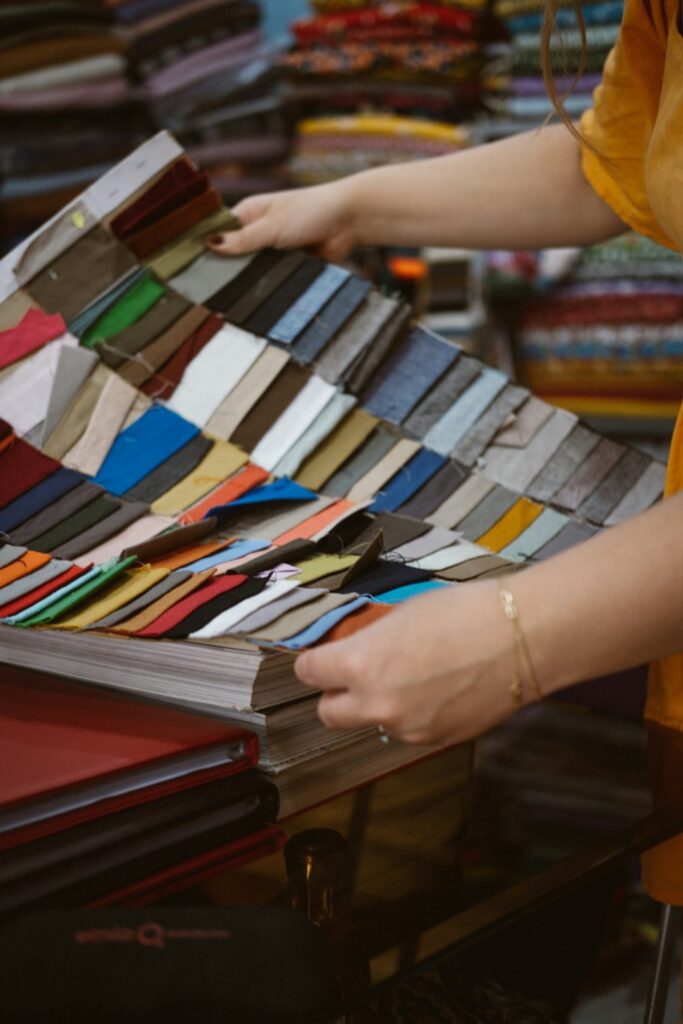
What should you consider before choosing an upholstery fabric?
The right upholstery fabric depends on how a piece will be used, not just how it looks. Household traffic, pets, children, sunlight, moisture, cleaning habits, and the structure of the furniture all affect whether a fabric performs well.
For homes in Charlevoix, MI, seasonal conditions can add practical concerns. Furniture may be exposed to tracked-in moisture, winter clothing, summer humidity, open windows, lake air, or strong sunlight near large windows. A fabric that works well in a formal sitting room may be a poor choice for a frequently used family room.
Before comparing fabric types, consider:
- How often the furniture is used
- Whether people eat or drink near it
- Exposure to direct sunlight
- Pets, children, or frequent visitors
- The desired level of softness
- Cleaning and maintenance expectations
- Whether the furniture must coordinate with existing pieces
A fabric sample can look very different in natural daylight than it does under indoor lighting. It also helps to feel the material, inspect the weave, and ask how it should be cleaned before making a decision.
What are the main types of upholstery fabric?
Upholstery fabrics are generally divided into natural fibers, synthetic fibers, and blends. Each group has strengths and limitations.
Natural fabrics often provide a soft, comfortable feel and a distinctive appearance. Synthetic fabrics are usually engineered for consistent performance and easier maintenance. Blended fabrics combine characteristics from both categories, but their results depend on the specific fiber content and construction.
The most common options include cotton, linen, wool, leather, polyester, microfiber, acrylic, rayon, and performance blends.
Is cotton a good upholstery fabric?
Cotton is comfortable, breathable, and available in many colors and patterns. It can feel inviting in bedrooms, reading areas, and lightly used living spaces.
Its main disadvantages are staining, fading, and wrinkling. Untreated cotton can absorb spills quickly, and repeated rubbing may cause the surface to look worn. Dark or saturated colors may also fade if the furniture sits in direct sun.
Cotton may be a practical choice when comfort and appearance matter more than maximum stain resistance. A tighter weave and a protective finish can improve performance, but these features do not make cotton completely spill-proof.
What are the pros and cons of linen?
Linen has a natural, textured appearance and often gives furniture a relaxed, understated look. It is breathable and can feel cool in warm weather.
However, linen wrinkles easily and may show wear in areas that receive constant friction. It can also be vulnerable to staining and may shrink or distort if cleaned incorrectly. Loose linen upholstery is usually better suited to decorative or moderate-use furniture than to a heavily used family sofa.
Linen blends may be easier to live with because another fiber can add strength, stretch, or resistance to wrinkling.
Does wool work well on upholstered furniture?
Wool is naturally resilient, warm, and resistant to crushing. It can recover well after regular use and often retains its shape better than some softer fabrics. Wool is also naturally less likely to support flame than many other textile fibers.
The drawbacks include higher cost, a heavier feel, and possible sensitivity to abrasion or improper cleaning. Some people also find wool less comfortable against bare skin than cotton or microfiber.
Wool can be useful for durable chairs, traditional furniture, and rooms where texture and long-term resilience are priorities. It should be cleaned according to its care instructions because excessive moisture or heat can cause problems.
Is polyester durable enough for sofas and chairs?
Polyester is one of the most widely used upholstery fibers because it is versatile, relatively durable, and available in many colors and textures. It generally resists wrinkling and fading better than untreated natural fibers. Polyester blends can also provide a balance of softness and strength.
Its limitations depend on the fabric construction. Some polyester fabrics may develop pilling, attract static, or feel less breathable. Low-quality upholstery can flatten or become shiny in high-use areas.
A well-constructed polyester fabric can be a practical choice for everyday seating, especially when easy care and consistent appearance are important.
What makes microfiber different?
Microfiber is a very finely woven synthetic fabric, commonly made from polyester or a polyester blend. Its dense surface feels soft and can resist the penetration of some spills better than more open weaves.
Microfiber is often considered suitable for busy households because it is relatively easy to vacuum and may tolerate routine cleaning. It can still absorb oily substances, show water marks, and develop visible pressure changes where someone sits.
The smooth surface may also show fingerprints, pet hair, or directional shading. Regular vacuuming with an upholstery attachment helps maintain its appearance.
What are the advantages and disadvantages of leather?
Leather is durable, easy to wipe clean, and capable of developing a distinctive patina over time. It does not trap dust and pet hair in the same way as many woven fabrics. High-quality leather can last for many years when kept away from excessive heat and direct sun.
Leather may feel cold in winter and warm in summer, particularly in rooms with changing indoor temperatures. It can scratch, fade, dry out, or crack if neglected. Differences in leather type and finish also affect durability and maintenance.

Leather is not maintenance-free. It usually benefits from routine dusting and occasional cleaning with products made for the specific finish.
Are acrylic and rayon suitable for upholstery?
Acrylic is a synthetic fiber that can imitate the appearance of wool or other natural materials. It often resists sunlight better than many natural fibers, making it useful for bright rooms or some covered outdoor settings.
Rayon, sometimes called viscose, can provide a soft, luxurious texture and attractive sheen. Its weakness is moisture and abrasion resistance. Rayon may flatten, stain, or change shape more easily than sturdier upholstery fibers.
These materials may work well in decorative blends, but they require careful attention to cleaning instructions and expected use.
What is a performance fabric?
“Performance fabric” is a broad term rather than a single fiber. It usually refers to upholstery designed or treated to resist stains, fading, abrasion, moisture, or easier cleaning.
Performance fabrics can be made from polyester, acrylic, nylon, olefin, blends, or other materials. The label alone does not reveal how the fabric will behave. Check the actual cleaning code, abrasion information, colorfastness, and manufacturer’s care instructions.
A fabric that resists water may not resist oily stains. A fabric that handles spills may still fade in direct sunlight. Performance features should be matched to the specific problem a household expects to have.
Which upholstery fabric is easiest to maintain?
For many busy households, tightly woven polyester, microfiber, durable blends, and finished leather are among the easier options to maintain. Ease of care still depends on color, texture, weave, and the type of stain.
Dark fabrics may hide some marks but can show lint and pet hair. Very light fabrics can make dust, food, and outdoor residue more visible. Heavily textured fabrics may disguise minor wear while making crumbs and debris harder to remove.
Vacuuming upholstery regularly is usually safer than waiting until dirt becomes embedded. Blot spills rather than rubbing them, and test any cleaning method on a hidden area first.
How can you compare upholstery fabrics in a showroom or home?
Look closely at the weave. Tightly woven surfaces generally withstand everyday friction better than very loose or delicate constructions. Sit on the fabric, rub it lightly with a clean hand, and observe whether the surface changes direction or develops visible marks.
Ask for details about:
- Fiber content
- Cleaning code
- Lightfastness
- Abrasion or durability testing
- Pilling resistance
- Warranty limitations, if applicable
- Recommended vacuuming and spot-cleaning methods
Also consider the furniture’s frame and cushioning. A highly durable fabric cannot compensate for a weak frame, poor support, or cushions that are not suitable for the way the furniture is used.
The most suitable upholstery is usually the material that balances comfort, appearance, cleaning needs, and expected wear. There is no universally perfect fabric; the best choice depends on the room, the household, and the amount of daily use.